Does Travel Insurance Cover Lost, Stolen, or Delayed Luggage? A Complete USA Guide (2026)
Meta Title: Does Travel Insurance Cover Lost, Stolen, or Delayed Luggage?
Meta Description: Learn whether travel insurance covers lost, stolen, or delayed luggage in the USA. Understand baggage protection, coverage limits, exclusions, and how to file a claim.
Primary Keyword: Does travel insurance cover lost, stolen, or delayed luggage
Secondary Keywords: travel insurance lost luggage, stolen luggage coverage, delayed baggage insurance, baggage loss protection, travel insurance baggage coverage USA
Introduction
Imagine arriving at your vacation destination only to discover that your suitcase has disappeared. Or perhaps your luggage arrives several days late, leaving you without clothes, toiletries, or essential personal items. These situations can create stress, unexpected expenses, and problems with your travel plans.
This is why many travelers ask: Does travel insurance cover lost, stolen, or delayed luggage?
The answer is yes. Many comprehensive travel insurance policies include baggage protection that can reimburse eligible losses if your luggage is lost, stolen, damaged, or delayed. However, coverage depends on the policy, the circumstances of the loss, and the limits that apply.
For U.S. travelers, it is also important to understand the difference between travel insurance and airline baggage liability. Airlines may have their own responsibilities when checked luggage is lost, damaged, or delayed. This guide explains how baggage insurance works, what it covers, and how to protect your belongings during your next trip.
1. Does Travel Insurance Cover Lost Luggage?
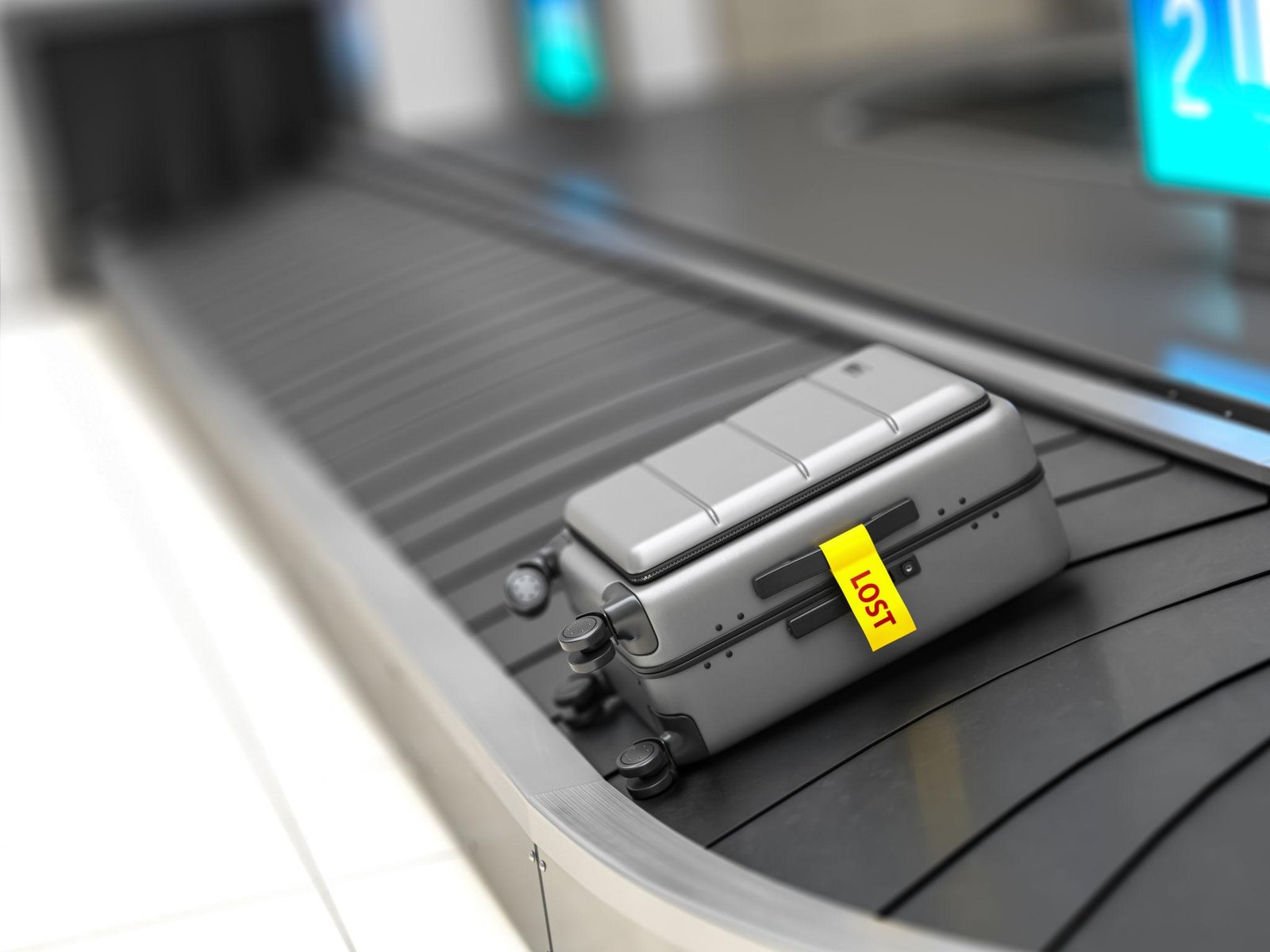
Yes. Many comprehensive travel insurance plans include lost baggage coverage. This benefit may reimburse you if your checked or personal luggage is permanently lost by an airline or another covered transportation provider.
For example, imagine you are flying from New York to Los Angeles for a vacation. When you arrive, the airline cannot locate your checked suitcase. If the airline confirms that your luggage is permanently lost, your travel insurance policy may reimburse you for eligible belongings inside the suitcase.
What Items May Be Covered?
Depending on your policy, lost baggage coverage may include:
- Clothing and shoes.
- Toiletries and personal care products.
- Bags and suitcases.
- Personal accessories.
- Other eligible belongings packed in your luggage.
However, insurance companies usually apply maximum reimbursement limits. There may also be separate limits for expensive items such as jewelry, cameras, laptops, and electronics.
How Much Does Lost Luggage Insurance Pay?
The amount you receive depends on your policy’s total baggage coverage limit, per-item limits, deductibles, and exclusions.
For example, if your policy provides $1,500 in baggage protection, that does not necessarily mean you will automatically receive $1,500 for a lost suitcase. The insurer may calculate reimbursement based on the value of eligible belongings, depreciation, receipts, and other policy conditions.
Some policies also coordinate payments with the airline or other sources of reimbursement. You generally cannot receive more than your eligible financial loss.
2. Does Travel Insurance Cover Stolen Luggage?
Yes. Some travel insurance policies cover stolen luggage and personal belongings when the theft meets the policy’s requirements.
For example, if someone steals your backpack from a hotel room or takes your suitcase from a public transportation area, your policy may reimburse eligible losses.
However, theft coverage usually requires reasonable care and supporting evidence. Simply reporting that an item disappeared may not be enough to qualify for reimbursement.
What Should You Do If Your Luggage Is Stolen?
If someone steals your luggage while traveling, take these steps:
- Report the theft: Contact the local police or appropriate authorities as soon as possible.
- Get a written report: Ask for a police report or official incident documentation.
- Contact your insurer: Notify your travel insurance company and ask about its claim requirements.
- Make an itemized list: Write down the stolen belongings and their estimated values.
- Collect proof: Keep receipts, photographs, purchase records, and other evidence of ownership.
- Submit your claim: Provide the documents requested by your insurance company.
Are All Stolen Items Covered?
No. Some policies limit or exclude certain valuable items, cash, documents, and electronic equipment. Other policies may require valuables to be carried with you rather than placed in checked luggage.
Read the policy’s exclusions and special item limits before traveling. If you are carrying expensive equipment, ask the insurer whether additional coverage is available.
3. Does Travel Insurance Cover Delayed Luggage?
Yes. Many travel insurance policies include baggage delay coverage. This benefit can reimburse you for essential items you need to purchase when your checked luggage does not arrive on time.
For example, imagine you fly from Los Angeles to London, but your suitcase is delayed for 24 hours. You need to purchase clothes, toiletries, and other basic necessities while waiting for your luggage.
If your policy covers the delay and the waiting period is satisfied, your insurer may reimburse eligible purchases.
What Can You Buy When Your Luggage Is Delayed?
Depending on your policy, eligible purchases may include:
- Basic clothing and underwear.
- Toiletries and personal hygiene products.
- Essential items needed for your trip.
- Other reasonable necessities allowed by your policy.
Luxury purchases, expensive electronics, and unnecessary shopping are generally not covered.
How Long Must Your Luggage Be Delayed?
Travel insurance companies set their own waiting periods. Some policies require baggage to be delayed for 6 or 12 hours, while others may have different requirements.
For example, Allianz Travel Insurance describes a baggage delay benefit that applies when baggage is delayed by a common carrier, hotel, or tour operator for 12 hours or more. Its reimbursement limits depend on the selected plan. Allianz Partners
Before buying a policy, check:
- The minimum delay period.
- Whether coverage applies to outbound journeys, return journeys, or both.
- The maximum reimbursement amount.
- Whether receipts are required.
- Which purchases qualify as essential items.
Important: Many policies provide baggage delay benefits mainly for the outward journey. Do not assume you can claim for essential purchases when your luggage is delayed on your way home.
4. Does Travel Insurance Cover Damaged Luggage?
Many travel insurance plans also provide protection for luggage that is accidentally damaged during a covered trip. This may include damage to suitcases, bags, or eligible personal belongings.
For example, if your suitcase is damaged while being handled by an airline, your travel insurance may provide reimbursement under its baggage protection benefit.
However, ordinary wear and tear, scratches, poor packing, and pre-existing damage are commonly excluded.
What Should You Do If Your Luggage Is Damaged?
Follow these steps:
- Take photographs of the damaged suitcase and its contents.
- Report the damage to the airline before leaving the airport, if possible.
- Request written confirmation or a baggage damage report.
- Keep receipts or proof of the suitcase’s original value.
- Contact your travel insurance provider.
- Follow the insurer’s instructions for submitting a claim.
The airline may be responsible for damage that occurs while your checked luggage is under its control. The U.S. Department of Transportation explains that airlines must compensate passengers for qualifying baggage damage, subject to applicable liability limits and exclusions. US Department of Transportation
5. What Is the Difference Between Airline Baggage Compensation and Travel Insurance?
Many U.S. travelers do not realize that airlines already have responsibilities when checked luggage is lost, delayed, or damaged.
Travel insurance provides additional protection under its own policy terms. It does not automatically replace your right to make a claim against the airline.
Airline Responsibility for Lost Luggage
For domestic flights in the United States, the DOT allows airlines to limit their liability for lost, damaged, or delayed checked baggage to a maximum of $4,700 per passenger.
For most international flights covered by the Montreal Convention, the baggage liability limit is 1,519 Special Drawing Rights (SDR) per passenger, approximately $2,175 based on the DOT’s published conversion. Actual U.S. dollar value can change with exchange rates. US Department of Transportation
These are maximum liability limits, not automatic payments. You must provide evidence of your loss, and the airline may calculate compensation based on depreciation and other applicable rules.
Airline Responsibility for Delayed Luggage
When checked luggage is delayed, airlines must compensate passengers for reasonable, verifiable, actual incidental expenses, subject to applicable liability limits.
For example, you may be able to request reimbursement for necessary clothing or toiletries purchased while waiting for your suitcase. Keep your receipts and file a claim with the airline. US Department of Transportation
Travel Insurance Provides Additional Protection
Travel insurance may help when airline compensation does not cover your entire eligible loss. Depending on the plan, it may provide:
- Additional reimbursement for lost belongings.
- Coverage for eligible stolen personal items.
- Reimbursement for essential purchases during baggage delays.
- Protection for certain personal belongings outside airline transportation.
Some baggage insurance is secondary coverage, meaning the insurer may require you to seek compensation from the airline or another responsible party first. NAIC+1
6. What Is Not Covered by Baggage Travel Insurance?
Travel insurance does not cover every missing, stolen, or damaged item. Policies contain exclusions and special limits that travelers should understand before purchasing.
Common restrictions may include:
Unattended Belongings
If you leave your suitcase unattended in a public place and someone steals it, your claim may be denied because many policies require you to take reasonable care of your belongings.
Expensive Personal Items
Jewelry, cameras, laptops, smartphones, and other valuables may have separate reimbursement limits. Some plans exclude certain items or require additional coverage.
Cash and Important Documents
Cash, passports, tickets, and other important documents may be excluded or covered under separate benefits with specific limits.
Items Packed in Checked Luggage
Some policies restrict coverage for valuable items placed in checked baggage. Keeping expensive electronics, jewelry, and essential documents in your carry-on may reduce the risk of loss.
Normal Wear and Tear
Small scratches, worn handles, old zippers, and gradual deterioration are generally not considered covered accidental damage.
Loss Without Proper Documentation
If you cannot provide the required evidence of theft, damage, or airline mishandling, your insurer may have difficulty approving your claim.
These are common examples, not universal rules. Always review the exclusions in your specific policy.
7. How to File a Travel Insurance Claim for Lost, Stolen, or Delayed Luggage
If you experience a baggage problem, acting quickly can make the claims process easier.
Step 1: Report the Problem Immediately
If your checked luggage does not arrive, contact the airline’s baggage service desk before leaving the airport.
For theft, contact local police or the appropriate authorities. If luggage is damaged, photograph it and report the damage to the airline.
Step 2: Request an Official Report
For delayed or missing airline luggage, request a Property Irregularity Report (PIR) or equivalent baggage report.
For stolen belongings, obtain a police report when required by your policy.
Step 3: Keep Receipts and Proof of Ownership
Save receipts for emergency purchases, original purchase records, photographs, and other evidence showing that you owned the missing items.
If you do not have original receipts, ask your insurer what alternative proof it accepts.
Step 4: Contact Your Insurance Company
Notify your travel insurance provider as soon as possible. Ask about the claim process, reporting deadlines, and documents required.
Step 5: Submit Your Claim
Complete the claim form and attach the requested supporting documents. Include a clear explanation of what happened and the amount you are requesting.
Keep copies of all documents and claim confirmation messages.
Frequently Asked Questions
Does travel insurance cover lost luggage on international flights?
Yes. Many comprehensive travel insurance policies cover eligible lost baggage on international trips. However, coverage limits, exclusions, and claim requirements vary by insurer.
Does travel insurance cover stolen luggage from a hotel?
Some policies cover theft from hotels or other accommodation, provided you meet the policy’s security and reporting requirements. Theft from an unlocked room or unattended location may be excluded.
Can I claim for clothes if my luggage is delayed?
Yes, if your policy includes baggage delay coverage and the delay meets its requirements. Keep receipts for essential clothing and toiletries you purchase.
How long does luggage have to be missing before it is considered lost?
Travel insurance policies have their own definitions and claim requirements. Airlines also have their own procedures. The DOT says many airlines declare bags lost between five and fourteen days after a flight, although the period can vary. US Department of Transportation
Does travel insurance cover electronics in checked luggage?
Some plans cover eligible electronics, but special item limits and exclusions may apply. Certain policies restrict coverage for valuable items placed in checked baggage. Check the policy before traveling.
Can I claim from both the airline and travel insurance?
You can generally submit claims to both when appropriate, but you cannot receive duplicate reimbursement for the same financial loss. Your insurer may coordinate with the airline or deduct compensation already received.
Is baggage protection included in every travel insurance policy?
No. Some basic or medical-only plans may not include baggage protection. Check the benefits list before purchasing.
Conclusion
So, does travel insurance cover lost, stolen, or delayed luggage? Yes, many comprehensive travel insurance policies provide baggage protection for eligible losses. Depending on your plan, you may receive reimbursement for permanently lost suitcases, stolen personal belongings, damaged luggage, or essential purchases when baggage is delayed.
However, coverage depends on policy limits, waiting periods, exclusions, and documentation requirements. Remember that airlines also have legal responsibilities for checked baggage, so you should report problems to the airline as well as your insurer.
Before your next trip, compare baggage coverage limits, check restrictions on valuable items, and keep important belongings in your carry-on. A little preparation can help protect your possessions and make unexpected luggage problems easier to manage.
SEO Details
| SEO Element | Recommendation |
|---|---|
| Primary keyword | Does travel insurance cover lost, stolen, or delayed luggage |
| Secondary keywords | Travel insurance lost luggage, stolen luggage coverage, delayed baggage insurance |
| Search intent | Informational |
| Suggested URL slug | travel-insurance-lost-stolen-delayed-luggage |
| Meta title | Does Travel Insurance Cover Lost, Stolen, or Delayed Luggage? |
| Target audience | U.S. travelers, families, international tourists, and business travelers |
Trusted Sources
- NAIC – Travel Insurance
- NAIC – Should I Get Travel Insurance?
- U.S. Department of Transportation – Lost, Delayed, or Damaged Baggage
- Allianz Travel Insurance – Baggage Delay Coverage
- World Nomads – Delayed Baggage Coverage
Disclaimer: This article is for general educational purposes only. Travel insurance benefits, exclusions, and reimbursement limits vary by insurer and policy. Always review your policy documents and confirm coverage before purchasing.